
If your periods have been unpredictable, your skin feels dry or irritable, or your weight has increased significantly with no obvious change in routine, PCOS could be the most likely cause. The WHO estimates that 8% to 13% of women of reproductive age are affected globally, and up to 70% remain undiagnosed.
In India, the picture is equally concerning. The country has seen a 30% rise in PCOS prevalence in recent years, ranking among the top five countries in the world for high incidence.
This article breaks down what PCOS actually is, how it differs from PCOD, symptoms to look for, and how you can manage it well along with practicing yoga.
What is PCOS? Full Form and Meaning
PCOS stands for Polycystic Ovary Syndrome. It is a hormonal and metabolic disorder that affects the ovaries and the wider endocrine system. In simple terms, the ovaries produce higher-than-normal levels of androgens (male hormones), which disrupts the regular process of ovulation. As a result, eggs remain immature and can form small, fluid-filled sacs called cysts inside the ovaries.
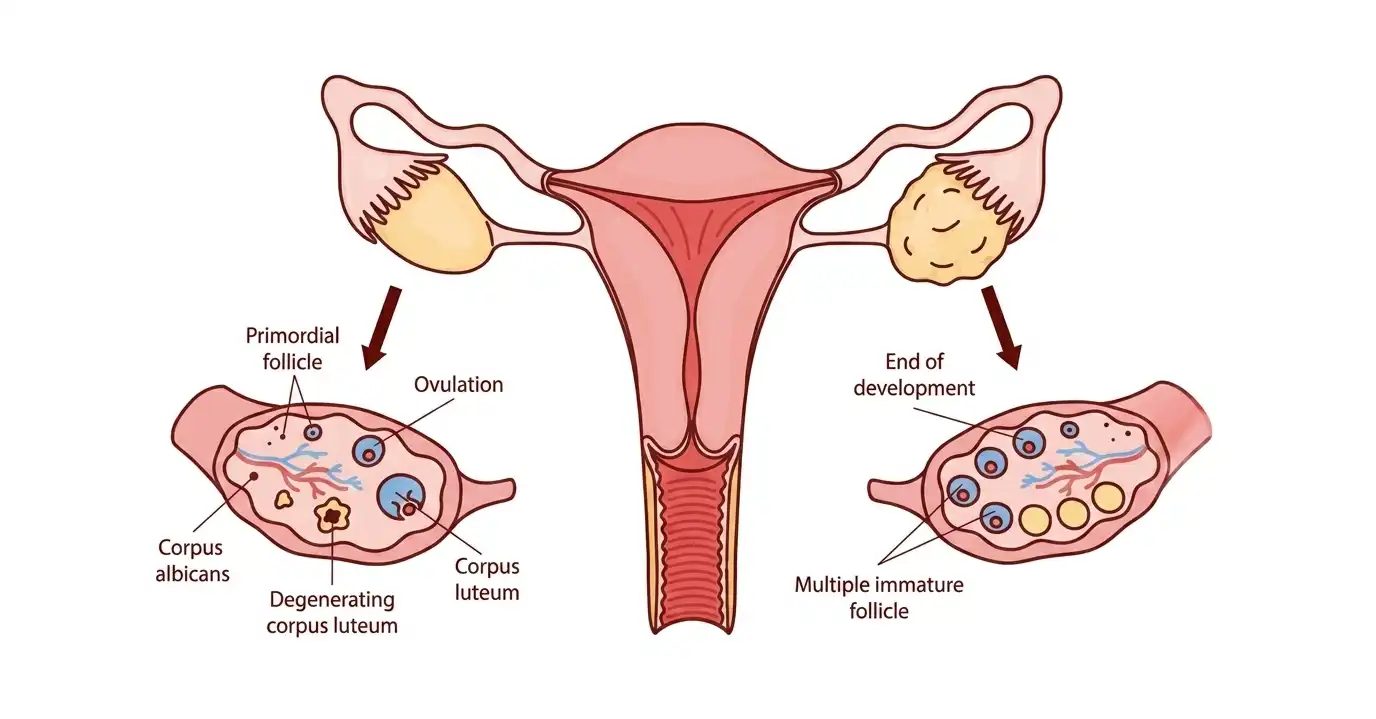
The word “polycystic” means “many cysts,” though not every woman with PCOS will actually have visible cysts on an ultrasound. PCOS is clinically diagnosed using the Rotterdam Criteria, which requires at least two of the following three conditions:
- Irregular or absent menstrual cycles
- Clinical or biochemical signs of elevated androgen levels (hyperandrogenism)
- Polycystic ovaries visible on ultrasound
What Are the Symptoms of PCOS?
PCOS presents differently in every woman, which is partly why diagnosis is often delayed. The most common symptoms include:
- Irregular, infrequent, or missed periods
- Excessive hair growth on the face, chest, or back (hirsutism)
- Acne and persistently oily skin
- Thinning of scalp hair
- Unexplained weight gain, particularly around the abdomen
- Darkening of skin around the neck, groin, or underarms (acanthosis nigricans, a common sign of insulin resistance)
- Difficulty conceiving
- Mood swings, anxiety, or depression
In many Indian women, PCOS is associated with insulin resistance and type 2 diabetes risk. This means your body’s cells do not respond effectively to insulin, prompting the pancreas to produce even more of it, which further stimulates androgen production. This cycle is central to why diet and exercise carry so much weight in PCOS management.
PCOS vs PCOD: What Is the Difference?
These two terms are used interchangeably in everyday conversation, but they are medically distinct. Let’s look at the differences between PCOD and PCOS.
|
Criteria |
PCOD (Polycystic Ovarian Disease) |
PCOS (Polycystic Ovary Syndrome) |
|
Nature |
Functional ovarian disorder |
Endocrine and metabolic syndrome |
|
Primary cause |
Hormonal imbalance, stress, lifestyle |
Complex genetic, hormonal, and metabolic interplay |
|
Ovulation |
Usually present, though irregular |
Often absent |
|
Androgen levels |
Mildly elevated |
Significantly elevated |
|
Fertility impact |
Mild; pregnancy often possible with minimal support |
More significant; may require medical intervention |
|
Insulin resistance |
Less common |
Very common |
|
Long-term risks |
Lower |
Higher (diabetes, cardiovascular disease) |
|
Reversibility |
Often reversible with lifestyle changes |
Chronic; requires ongoing management |
Which is more dangerous, PCOS or PCOD?
Between the two, PCOS is more severe. While PCOD mainly affects the ovaries, PCOS impacts the entire endocrine system, which includes hormones, metabolism, and fertility. PCOD, on the other hand, rarely leads to serious complications and is often reversible through disciplined lifestyle correction.
Common Misconceptions About PCOS
Several widely held beliefs about PCOS continue to delay diagnosis and proper care. Here are the most important ones to clear up:
Myth 1: PCOS only affects overweight women.
Fact: Lean women can and do have PCOS. Weight gain is a symptom, not a prerequisite.
Myth 2: PCOS means you cannot get pregnant.
Fact: Many women with PCOS conceive successfully, with or without medical support.
Myth 3: It goes away on its own.
Fact: PCOS is a chronic condition, but symptoms can be significantly reduced with consistent management.
Myth 4: You need cysts on your ovaries to have PCOS.
Fact: Not required for diagnosis under the Rotterdam Criteria.
Myth 5: It only affects older women.
Fact: PCOS affects 11.3% of adult women and 12.3% of adolescents in India, making it a concern from as early as the teenage years.
How to Manage PCOS
There is no permanent cure for PCOS, but it is well managed with a combination of medical care and lifestyle changes. Here is what an effective management plan typically includes:
Dietary Changes
- Switch to a low glycaemic index (GI) diet; prefer to have millets, oats, and brown rice over refined flour and white rice
- Increase fibre through vegetables, legumes, and whole grains
- Include good fats (nuts, seeds) and lean proteins
- Reduce processed foods, excess sugar, and trans fats
Exercise
- Aim for at least 30 minutes of moderate physical activity five days a week
- Strength training and brisk walking are particularly effective for improving insulin sensitivity
Medical management (under a doctor’s guidance)
- Hormonal contraceptive pills to regulate cycles and reduce androgen levels
- Metformin for insulin resistance
- Ovulation-inducing medications for women trying to conceive
- Supplements such as Inositol, Vitamin D, and Omega-3s, only as prescribed
Stress management
- Chronic stress elevates cortisol, which worsens hormonal imbalance
- Meditation, adequate sleep (7 to 9 hours), and therapy all support hormonal recovery
Does Yoga Help in Managing PCOS?
Yes, yoga absolutely helps in managing PCOS, and the research supports it. An Indian study on yoga and PCOS found that regular practice can help regulate endocrine function and reduce symptoms. After practicing yoga, triglyceride levels significantly decreased, the LH/FSH ratio improved, and sex hormone-binding globulin levels increased, all positive hormonal changes.
While the gym primarily focuses on weight loss, yoga works holistically on hormones, stress, and flexibility, making it especially beneficial for women with PCOS and thyroid concerns. It is also worth noting that yoga reduces PCOS symptoms, particularly by helping regulate the hormonal imbalance that lies at its root, even though it does not permanently cure the condition.
Yoga Poses for PCOS
The following asanas, as recommended by specialists at Birla Fertility and IVF, are particularly well-suited for women with PCOS:
1. Kapalbhati Pranayam
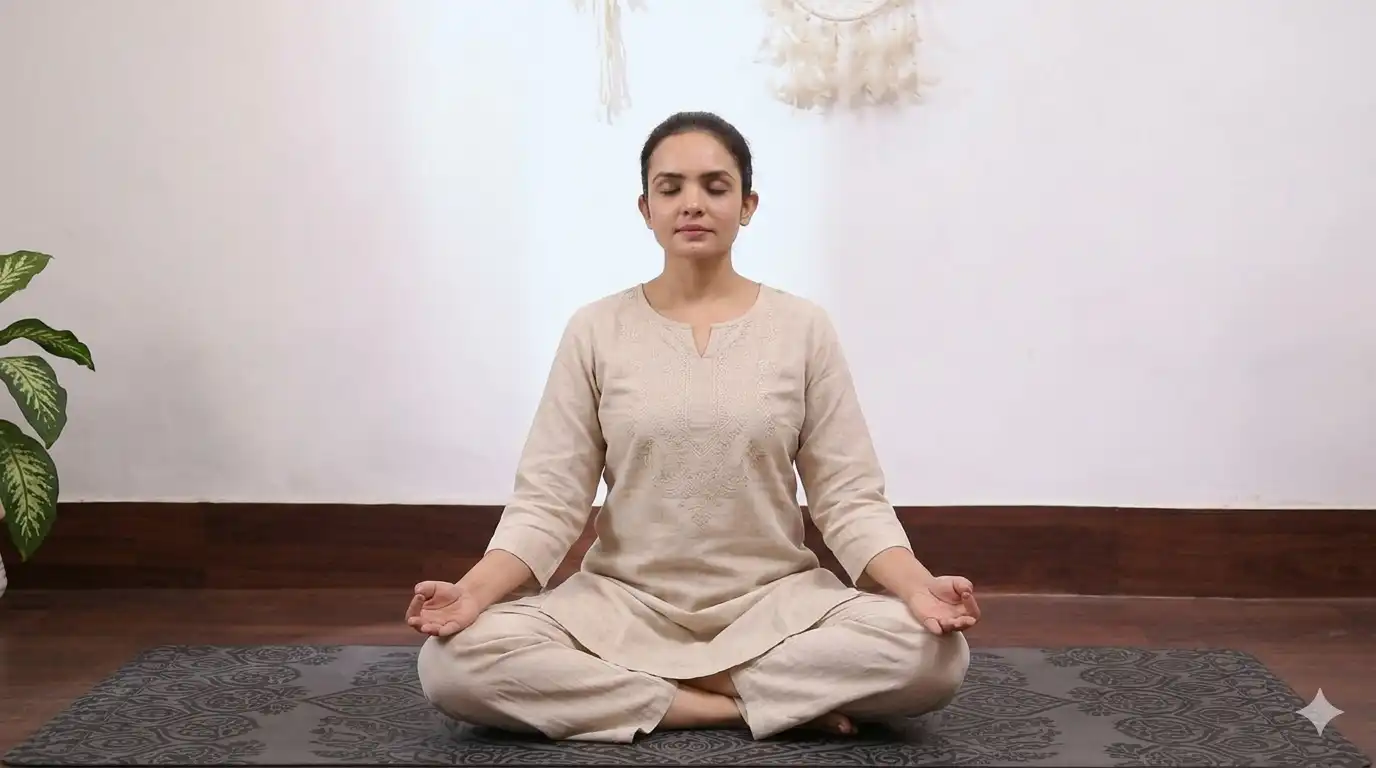
A rhythmic breathing technique performed seated with the spine erect. Complete three rounds of 20 forceful exhalations each. It boosts metabolism, supports digestion, and reduces oxidative stress.
2. Baddha Konasana (Butterfly Pose)
Sit with soles of the feet facing each other and gently flutter the knees. Hold for at least six seconds per breath cycle. It improves hip and groin flexibility and helps reduce menstrual discomfort.

3. Chakki Chalanasana (Mill Churning Pose)
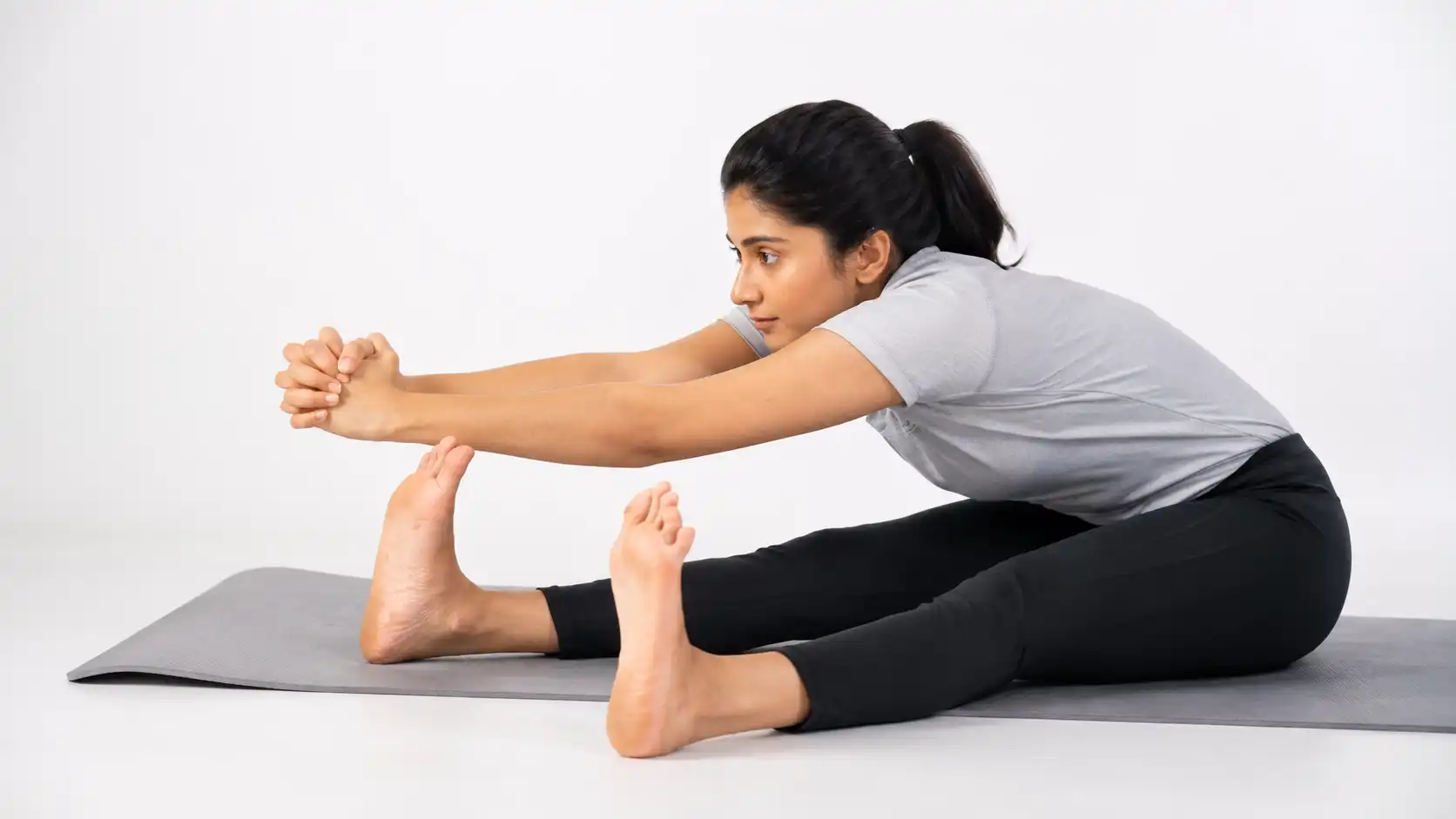
Sit with legs apart, clasp hands, and rotate the upper body in wide circles, five to ten times in each direction. Strengthens the core and back and supports digestive health.
4. Shavasana (Corpse Pose)
Lie flat on the back with arms slightly apart, palms facing up, and eyes closed. Performed at the end of practice, it promotes deep rest, reduces anxiety, and supports better sleep.

5. Padmasana (Lotus Pose)
A seated meditative posture that supports mindfulness, eases period pain, and helps with sciatic discomfort.

The best time to practice yoga is during the Brahma Muhurta window, between 4:30 and 6:00 AM. If mornings are not possible, evenings work equally well. The key here is consistency. Pick a time when you can practice regularly, on a light stomach, with few distractions.
Final Thoughts
PCOS is not a life-threatening condition. It can be managed easily with awareness, the right medical guidance, and consistent lifestyle choices. Whether you are a teen or in your mid-40s and are facing irregular cycles, skin issues, or fertility, understanding your body is the most powerful first step you can take. Speak to a gynaecologist, get a proper diagnosis, and know that with the right support, most women with PCOS lead full, healthy, and fulfilling lives.